

Cause vs. Effect

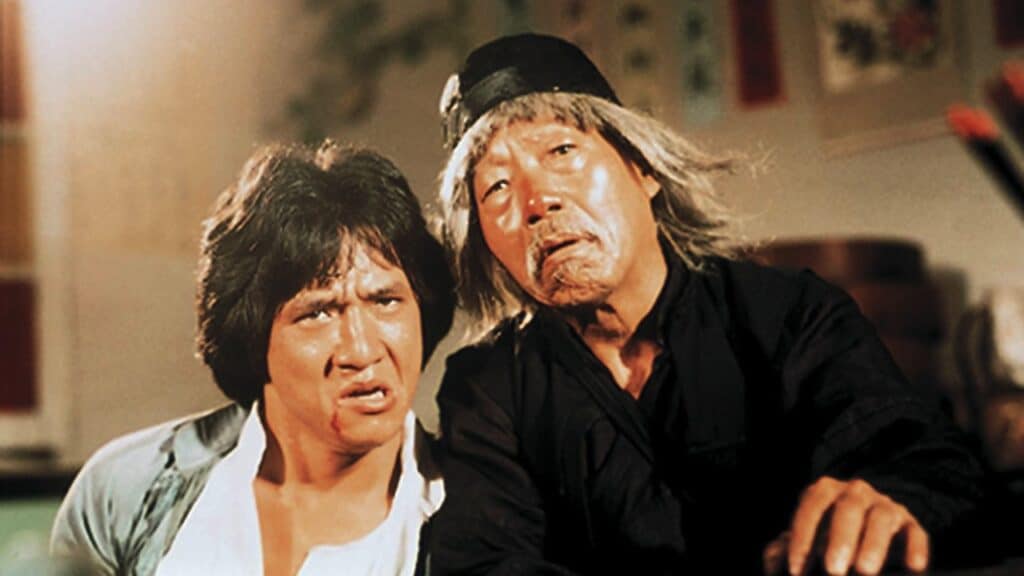
One of the recurring issues I observe in the internal arts is that students are often taught to recognize the effects of practice, but are rarely taught the causes that produce those effects. This creates a gap in understanding that can slow progress and lead to confusion. When the causes are unclear, or in some cases, deliberately withheld, students are left with descriptions and ideas rather than a reliable method they can train.
This distinction matters. Effects are the result of correct practice, not something that can be generated through imitation or imagination alone.
To illustrate this, consider electricity. Describing the sensation of current flowing through a wire does not cause electricity to appear. One may understand the theory, recognize the signs, and even imitate the language used to describe it, but without completing a circuit and applying voltage, nothing happens. The flow of current is the effect. The wiring, connections, and power source are the cause. Without the cause, the effect never manifests.
Another clear example is inflating a bicycle tyre. A tyre becomes firm and capable of supporting weight because air has been pumped into it. The expansion and pressure are the effects of that process. One would not instruct the tyre to “feel full” or “imagine pressure.” Without the correct action (in this case, pumping air into the tyre), the desired result never appears.
The same principle applies in the internal arts. When a student applies force and the instructor remains stable and unmoved, it can be tempting to explain the result in terms of sensation: “create emptiness,” “feel full inside,” or “let the force pass through you.” These descriptions may be accurate reflections of what the practitioner experiences after training, but they are still effects.
If a student is to develop the same ability, they must be shown the actual practices that produce those results. Only through consistent training in the same method, over time, does the body change. When that happens, the sensations arise naturally, without being forced or imagined. At that point, the skill is no longer conceptual, it is a reality. This is kung fu, skill forged through correct work applied consistently over time.
For students to succeed in the internal arts, it is essential to understand the difference between cause and effect. Descriptions can point in the right direction, but they are not substitutes for method. When the causes are correct, the effects take care of themselves.

I am very interested to learn the ancient Chinese martial arts