Han Yang Ru Yi: Medical Qi Gong as Moving Meditation and Internal Regulation
An Introduction to Medical Qi Gong as It Is Traditionally Trained
In recent years, interest in Medical Qi Gong has grown rapidly, yet genuine explanations of how it works — and how it is traditionally trained — remain rare. Many people encounter Qi Gong as a set of gentle movements or relaxation exercises, but never progress beyond surface-level practice. What is often missing is an understanding of why these methods work, how they affect the body internally, and what distinguishes a medical system from general health exercises.
Han Yang Ru Yi Gong belongs firmly to the medical tradition. It is not designed as choreography, nor as a purely meditative art, but as a structured method for regulating the body’s internal environment through breath, movement, stillness, and intention. Its purpose is functional: to restore balance, clear blockages, and cultivate the internal conditions required for healing.
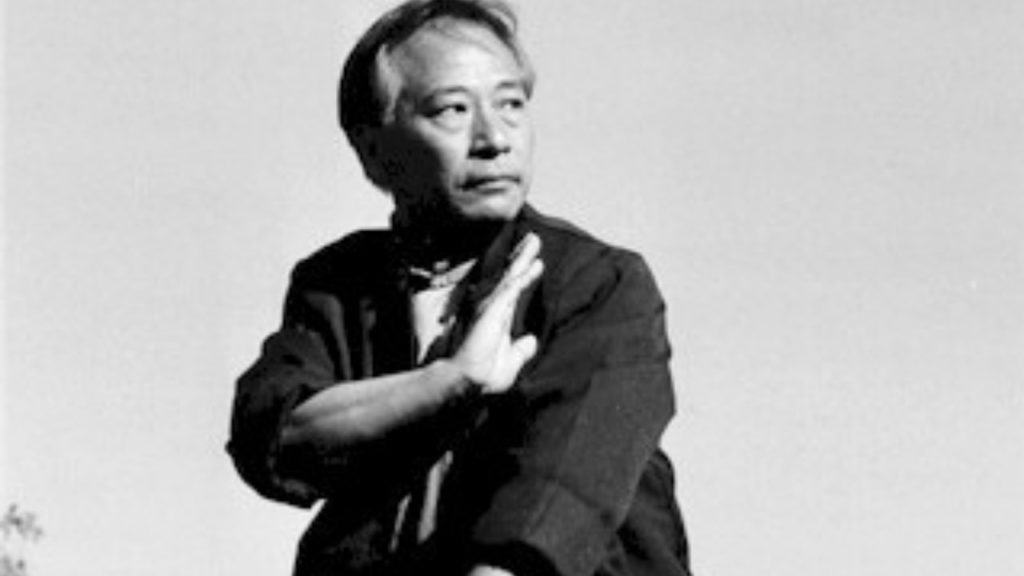
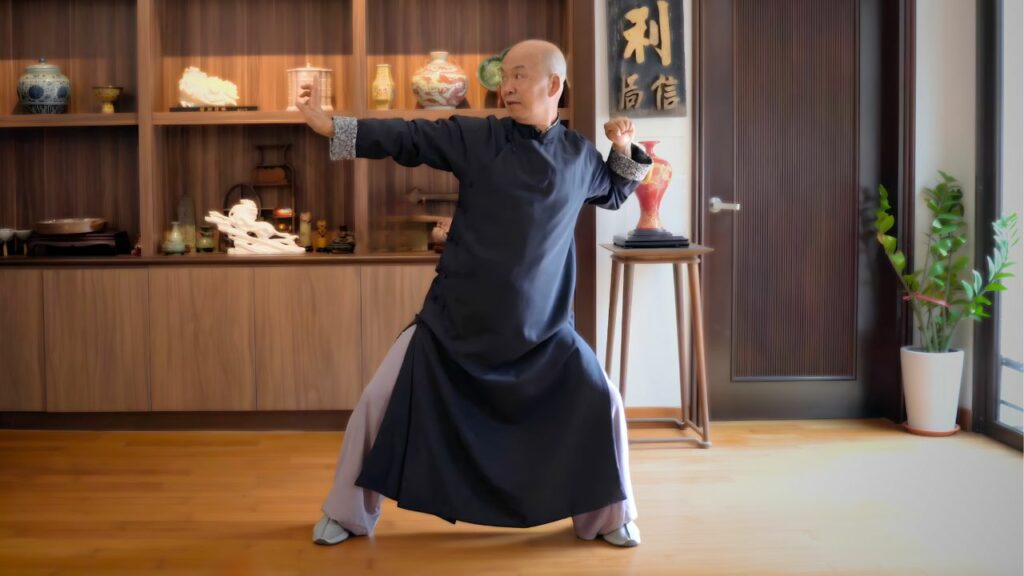
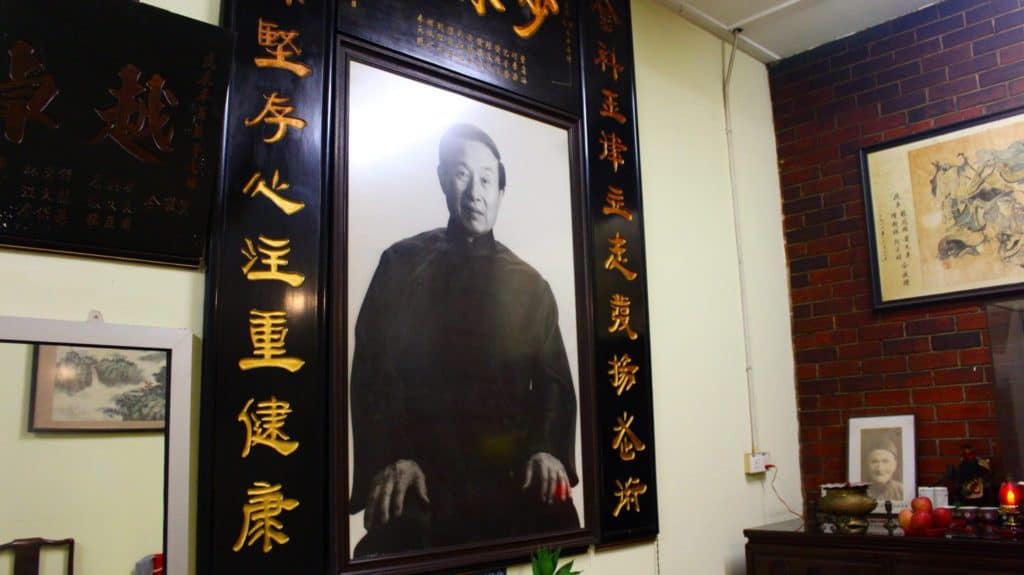
This understanding is articulated with unusual clarity by Dennis Wang, whose lifelong study of Qi Gong culminated in his formal induction in 2010 as the first indoor disciple of Grandmaster Shao Xing Xuen.
The Meaning of Han Yang Ru Yi
The name Han Yang Ru Yi is not symbolic decoration; it describes the method itself. Han refers to uprightness, cultivation, education, and compassion — the moral and internal qualities of the practitioner. Yang is associated with the sun, warmth, activation, and life. Together, the name points to a system that harmonizes inner quality with external function, stillness with movement, and yin with yang.
At the heart of Han Yang Ru Yi is the concept of moving meditation. This is not movement performed for fitness, nor meditation performed in motion as an aesthetic idea. Moving meditation is understood as a prelude to quiet meditation. If stillness cannot be cultivated while the body is moving, it will not suddenly appear when the body becomes still.
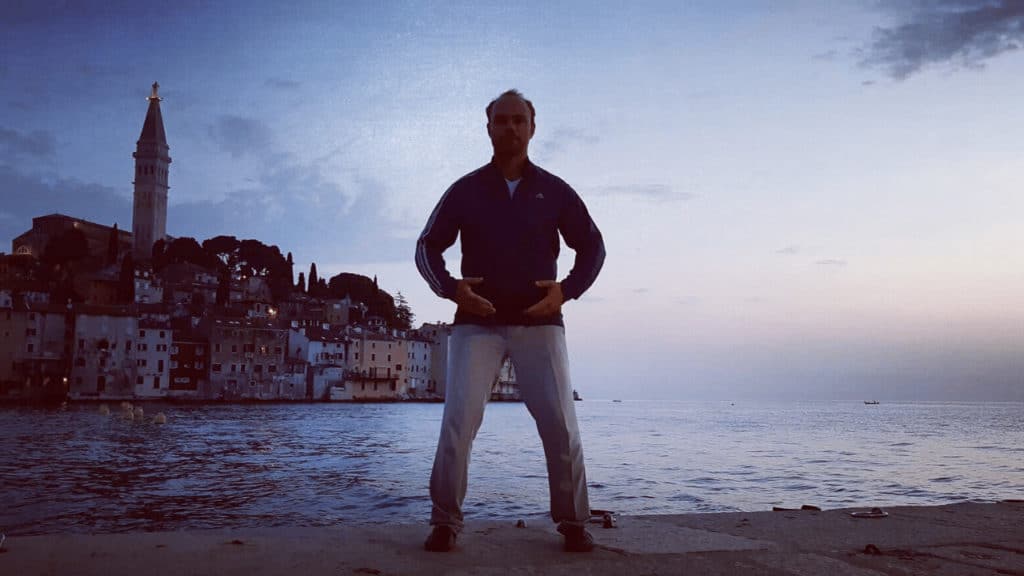
For this reason, the practice begins with slow, relaxed, almost limpid movements of the hands and wrists. These movements are not driven by muscular strength or breath control. Instead, their purpose is to induce the breath to slow down naturally. As breathing deepens and settles, the heart rate follows. When heart rate slows, the body enters a genuine state of stillness — even while movement continues.
It is within this state of stillness that internal regulation begins.
Stillness, Regulation, and the Medical Function of Qi Gong
In Han Yang Ru Yi, stillness is not a philosophical idea. It is a physiological condition. When the body enters stillness, internal processes begin to reorganize themselves. Chemical and neurological responses shift. Circulation improves. Tension releases. Deficiency and excess begin to normalize.
This is why the system is classified as Medical Qi Gong.
The initial stage of training consists of fifteen foundational movements. Through these movements, practitioners learn how to connect with what are traditionally described as Earth energy and Sun energy. These are not imagined forces, but ways of describing how the body aligns with gravity, warmth, circulation, and environmental input. By directing these influences through the body and down toward the ground, the practitioner begins to cleanse their own system.
The emphasis is always on directing downward. Pathogenic Qi — stagnation, excess heat, deficiency, or imbalance — is flushed through the system and released. Over time, this process builds internal capacity. What Master Wang describes as the strengthening of the body’s electromagnetic field is not something forced or visualized; it emerges naturally through repeated exposure to stillness, relaxation, and correct movement.
Power, Circulation, and the Logic of Healing
A recurring misunderstanding in internal arts is the idea of “using one’s own energy” to heal. Han Yang Ru Yi avoids this entirely. The practitioner does not deplete themselves by drawing from an internal “battery.” Instead, relaxation allows the body to draw from its environment — from universal, earth, and solar influences — and channel these through the system.
Master Wang explains this with a simple analogy. Blood contains iron. When conditions are correct, iron responds to magnetic influence. Over time, consistent training transforms the practitioner from a passive conductor into an active field. As the internal field strengthens, circulation improves. Blockages that cannot be moved by the patient themselves can be influenced externally — not through force, but through alignment.
This is the foundation of healing work within Han Yang Ru Yi.
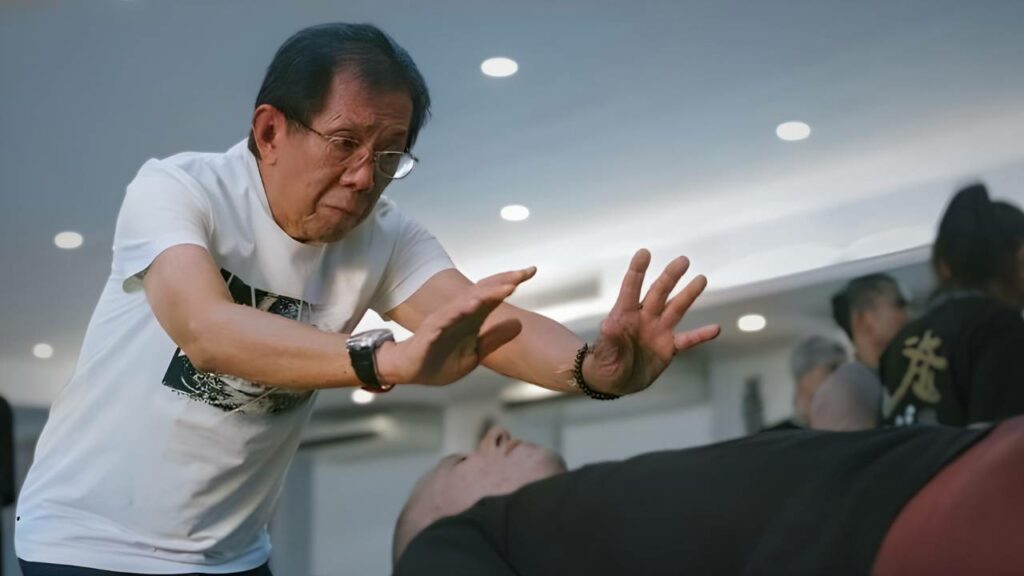
Healing is not treated as a mysterious gift. It is trained systematically. The practitioner first develops sensitivity through self-regulation. Only once this internal stability is established does partner work begin. Through guided protocols, practitioners learn how to identify problem areas, mobilize circulation, and guide stagnation out through appropriate channels and points.
Yin, Yang, and the Role of Intention
At the core of all disease, according to traditional Chinese medicine, lies imbalance. Too much heat, too much cold. Excess or deficiency. Yin and yang out of harmony.
Han Yang Ru Yi addresses this directly. Movements are designed to distinguish between incoming and outgoing qualities — heat and coolness, expansion and contraction. Through practice, the practitioner learns to feel these qualities rather than conceptualize them.
This requires a critical skill: the ability to arrest the mind from wandering.
No internal art functions without mental presence. One may perform Tai Chi, Qi Gong, or meditation for years, but without attention, nothing accumulates. In Han Yang Ru Yi, stilling the mind is the first requirement. Relaxation follows. Strength is explicitly avoided. Breath is not controlled; it is allowed to settle on its own as movement refines itself.
Only when the body and mind are aligned does intention become functional.
Master Wang describes intention as elusive because it cannot be forced. In early stages, intention behaves like a wild horse — powerful but uncontrollable. Through structured physical practice, intention becomes stable. Eventually, intention alone is sufficient to guide energy and movement. Beyond intention lies compassion, which ensures that power is applied responsibly and without ego.
From Self-Regulation to Healing Protocols
As training progresses, practitioners learn formal healing protocols. These involve initiating movement in the recipient, enveloping the body’s field, and systematically running the major meridian pathways — including macro and micro orbits — to restore circulation and balance.
Blockages are identified not intellectually, but through movement responses. Areas of restriction reveal themselves through involuntary motion. Once identified, these areas are energized, mobilized, and cleared through repeated cycles of guiding, drawing, and releasing.
The goal is not dramatic effect, but overall regulation. When circulation improves, Qi follows blood. When Qi flows, the body’s innate capacity to heal itself is restored.
Why Han Yang Ru Yi Must Be Practiced to Be Understood
Qi is an abstract word, and no explanation can replace experience. Blood can be seen; Qi cannot. Yet their relationship is inseparable. When blood flows properly, Qi follows. This principle applies not only within the body, but throughout nature. Everything that lives participates in this exchange.
For this reason, Han Yang Ru Yi cannot be learned through theory alone. It must be practiced, felt, and lived. Understanding arises from repetition, stillness, and direct experience — not belief.
Studying Han Yang Ru Yi in Depth
For those who wish to go beyond conceptual understanding, Han Yang Ru Yi – Medical Qi Gong is available as a complete online course taught by Master Dennis Wang. The course presents the system exactly as it is trained: progressively, without shortcuts, and with emphasis on foundation, regulation, and application.
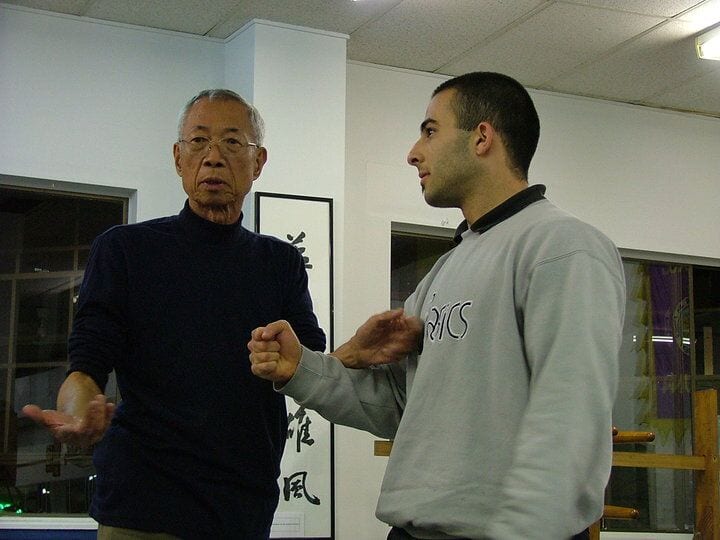
The curriculum includes the Shaolin stretching syllabus Yi Jing Ba Shi, the fundamental exercises for building internal capacity, the full fifteen-movement set, and detailed instruction in the medical healing protocols. Lessons are supported by exclusive footage from live teaching at The Martial Camp and are fully subtitled in multiple languages, making the material accessible worldwide.
Importantly, the course is not positioned as a cure-all, but as a complementary medical art — one that supports balance, resilience, recovery, and long-term well-being when practiced consistently.
Many students report feeling internal changes early in their training: clearer sensation, improved calmness, and a deeper understanding of how Qi Gong functions beyond external form. Over time, these qualities mature into stability, sensitivity, and genuine internal power.
For practitioners of martial arts, Qi Gong, Traditional Chinese Medicine, meditation, or healing disciplines — as well as complete beginners with an open mind — Han Yang Ru Yi offers a structured and grounded path into Medical Qi Gong as it was intended to be practiced.
→ Explore Han Yang Ru Yi – Medical Qi Gong with Master Dennis Wang
Responses